Blog

Notes from behind the counter

Practical writing on AI in operations, point of sale, and running restaurants and stores — from the team that builds it.
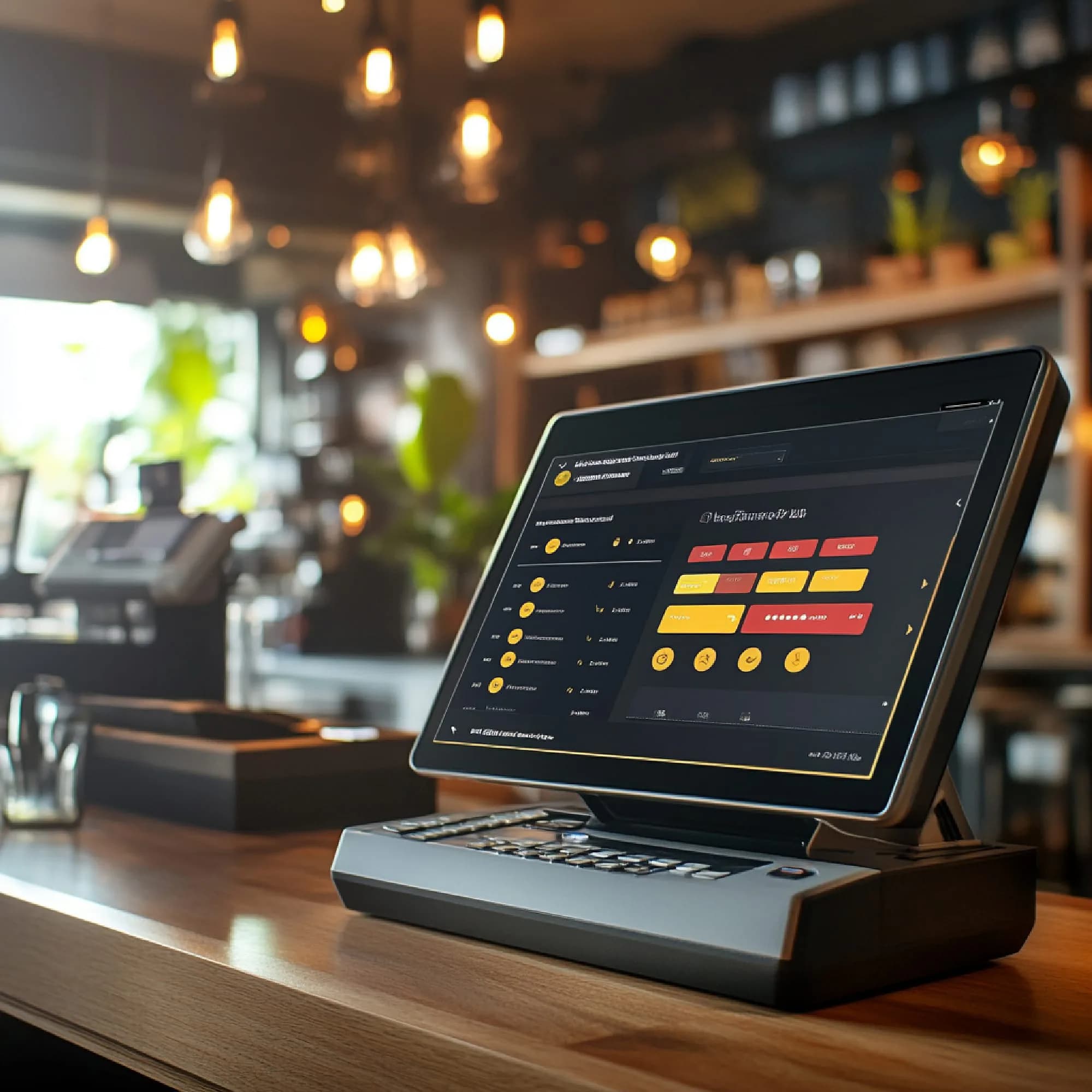

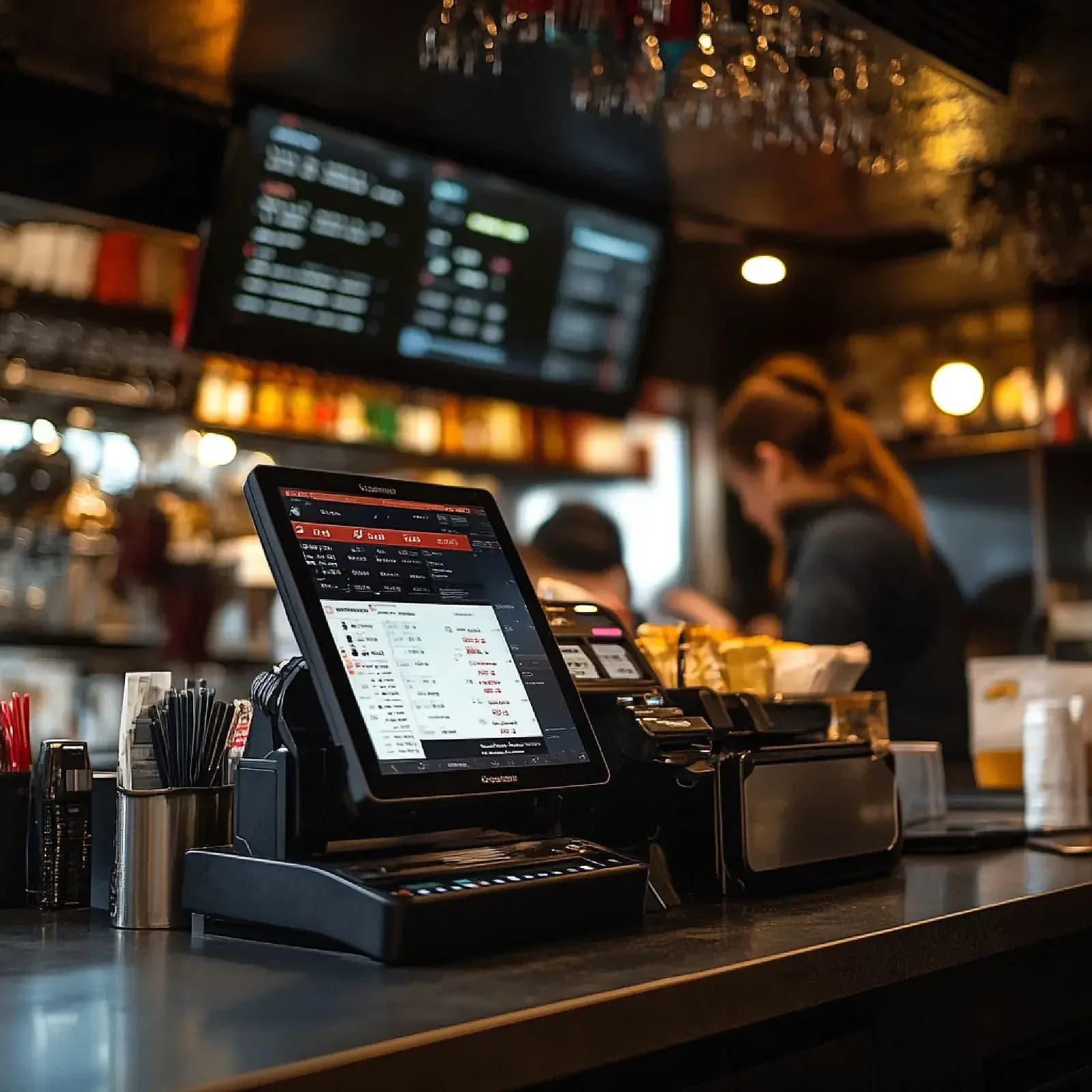
Point-of-sale terminal on a counter during service
Pacific POS terminal on a restaurant counter with a kitchen display in the background
Restaurants

How AI improves restaurant order accuracy

Most order errors are born at the counter, not in the kitchen. Here's how menu-aware AI catches them at the moment of entry.

Read the post 4 min
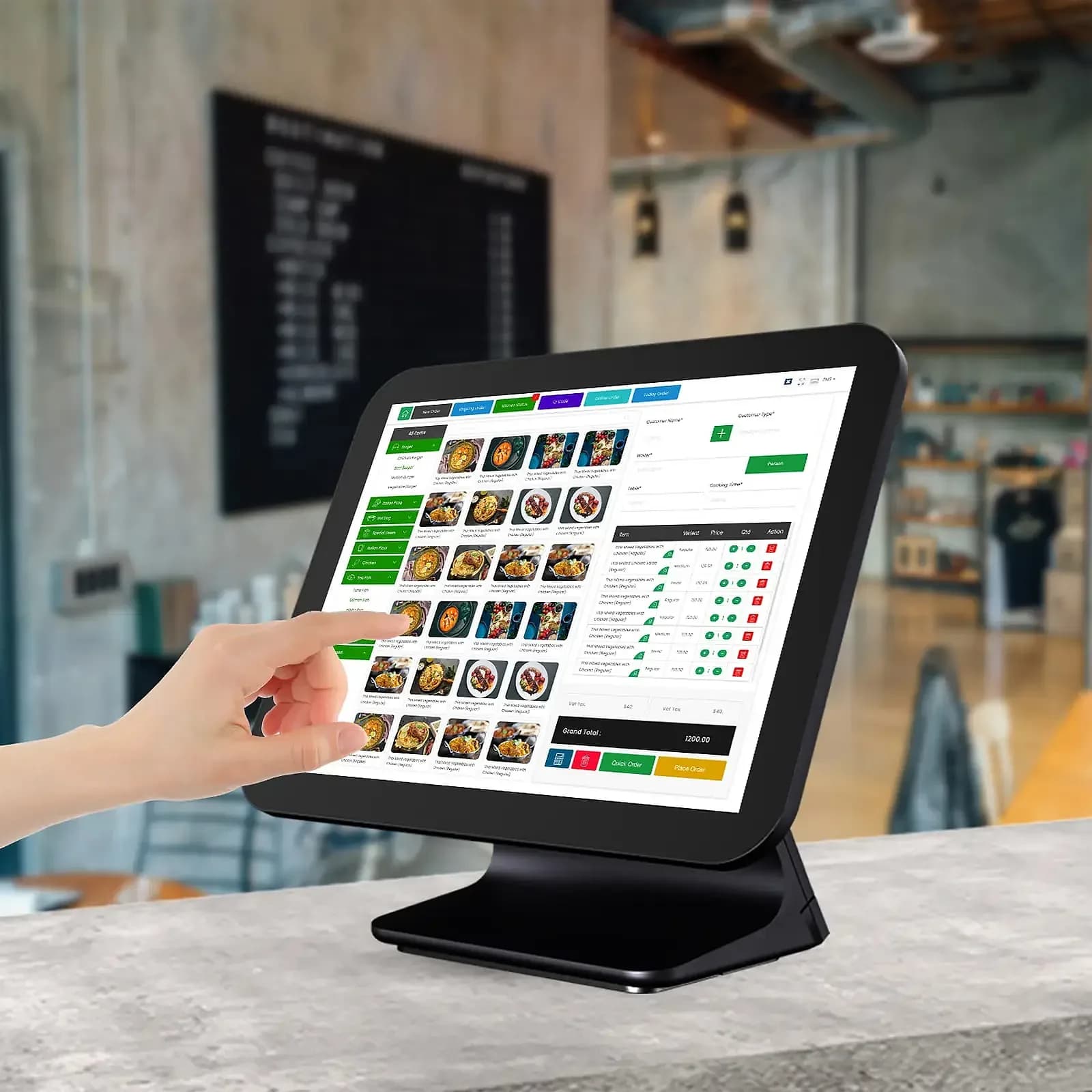
Order being entered on a counter terminal during restaurant service
Pacific POS

What 10-minute POS onboarding actually looks like

POS migrations earned their bad reputation. Here's the exact flow that takes a store from export file to first sale in about 10 minutes.

Read the post 3 min
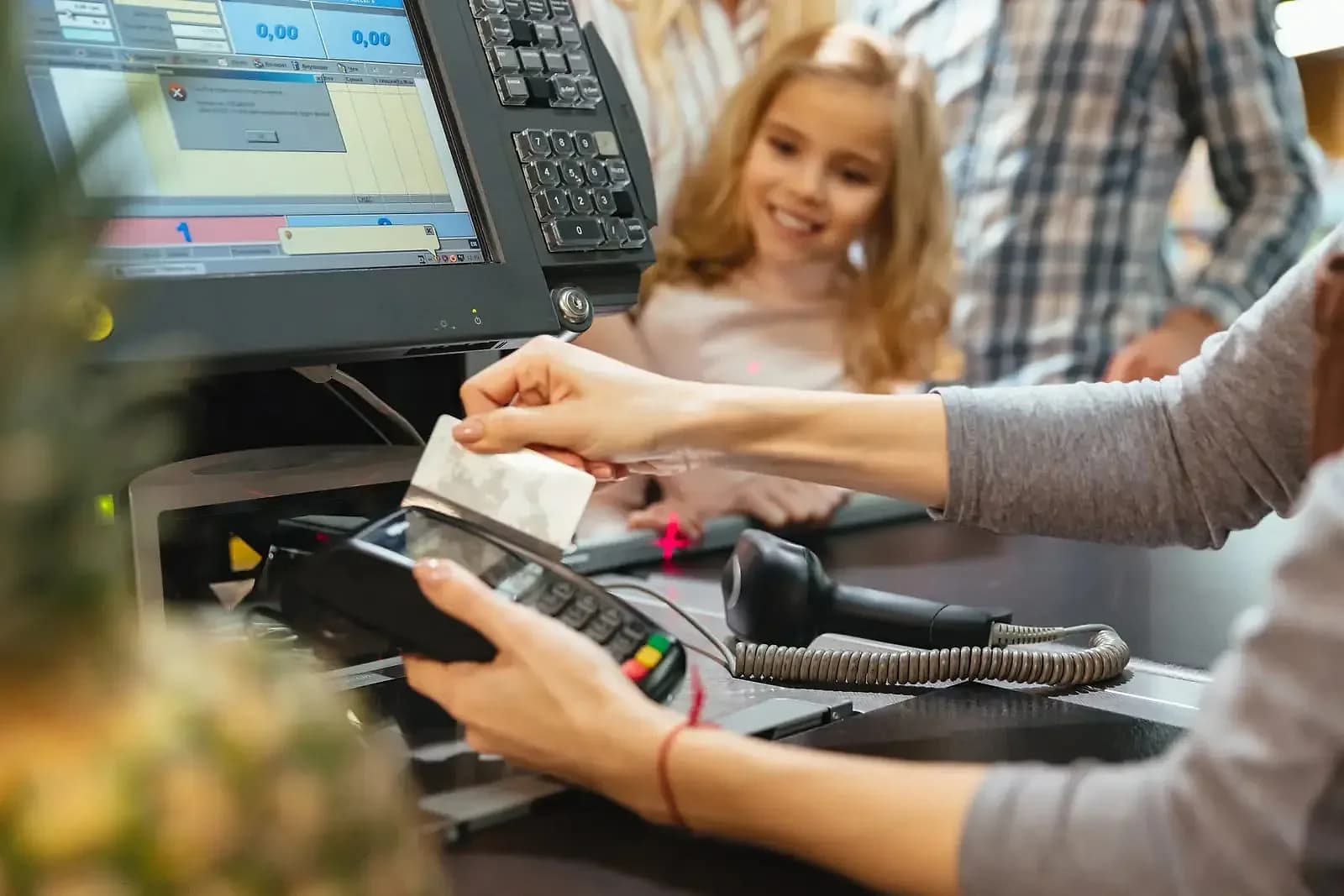
Customer paying by card at a retail checkout running Pacific POS
Retail

Choosing a retail POS in 2026: a practical checklist

Ignore the feature grids. These are the five questions that actually separate retail POS systems in 2026.

Read the post 4 min
Consultant holding a tablet beside a glowing generative-AI interface
AI

Where AI actually pays off in small business operations

Skip the chatbot on your homepage. These four operational uses of AI reliably pay for themselves in small businesses.

Read the post 4 min
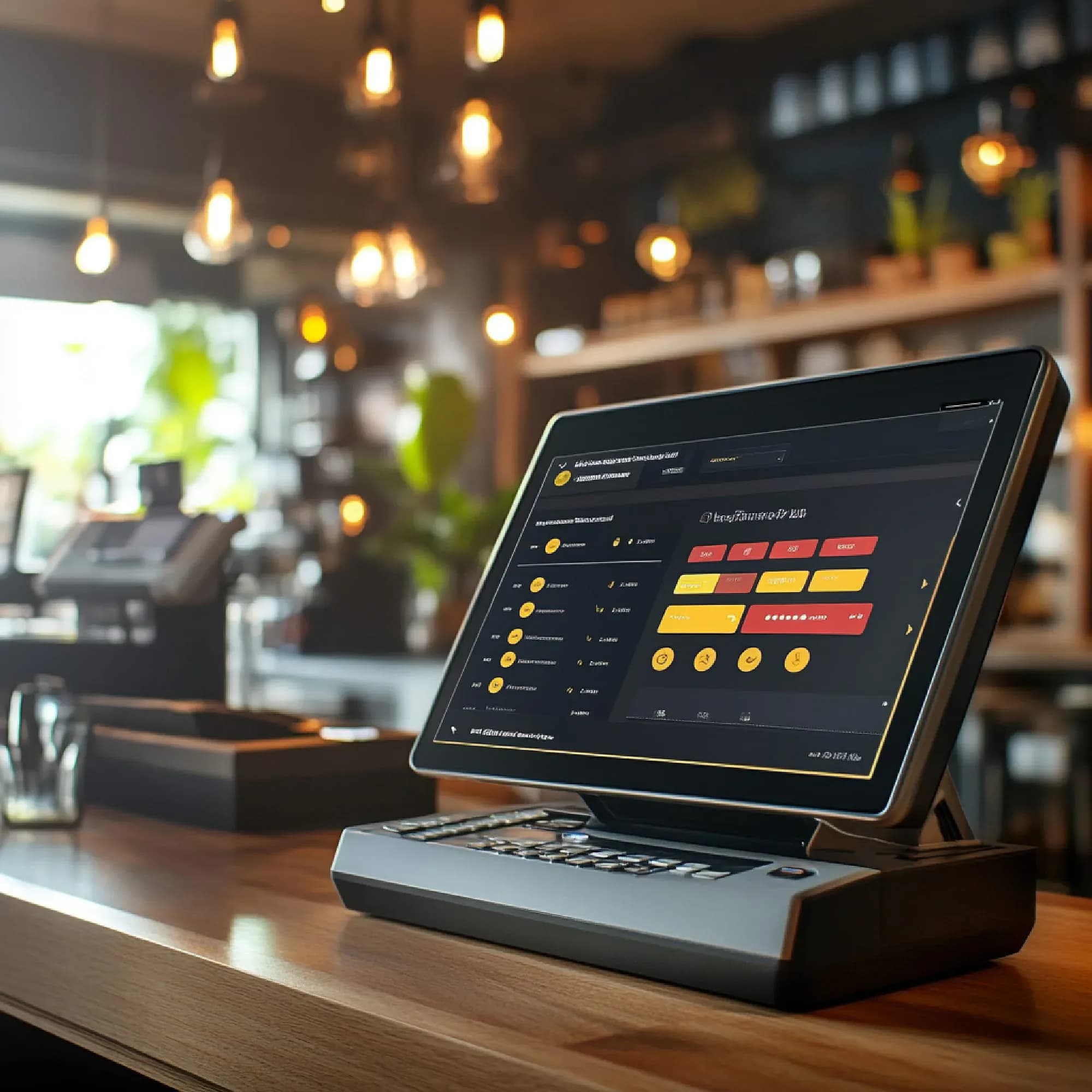
Point-of-sale terminal ready to take an order on a restaurant counter
Restaurants

What actually breaks when a restaurant POS goes down mid-service

It looks like one failure from the floor. It is usually four, they stop different things, and the expensive part happens after service ends.

Read the post 5 min
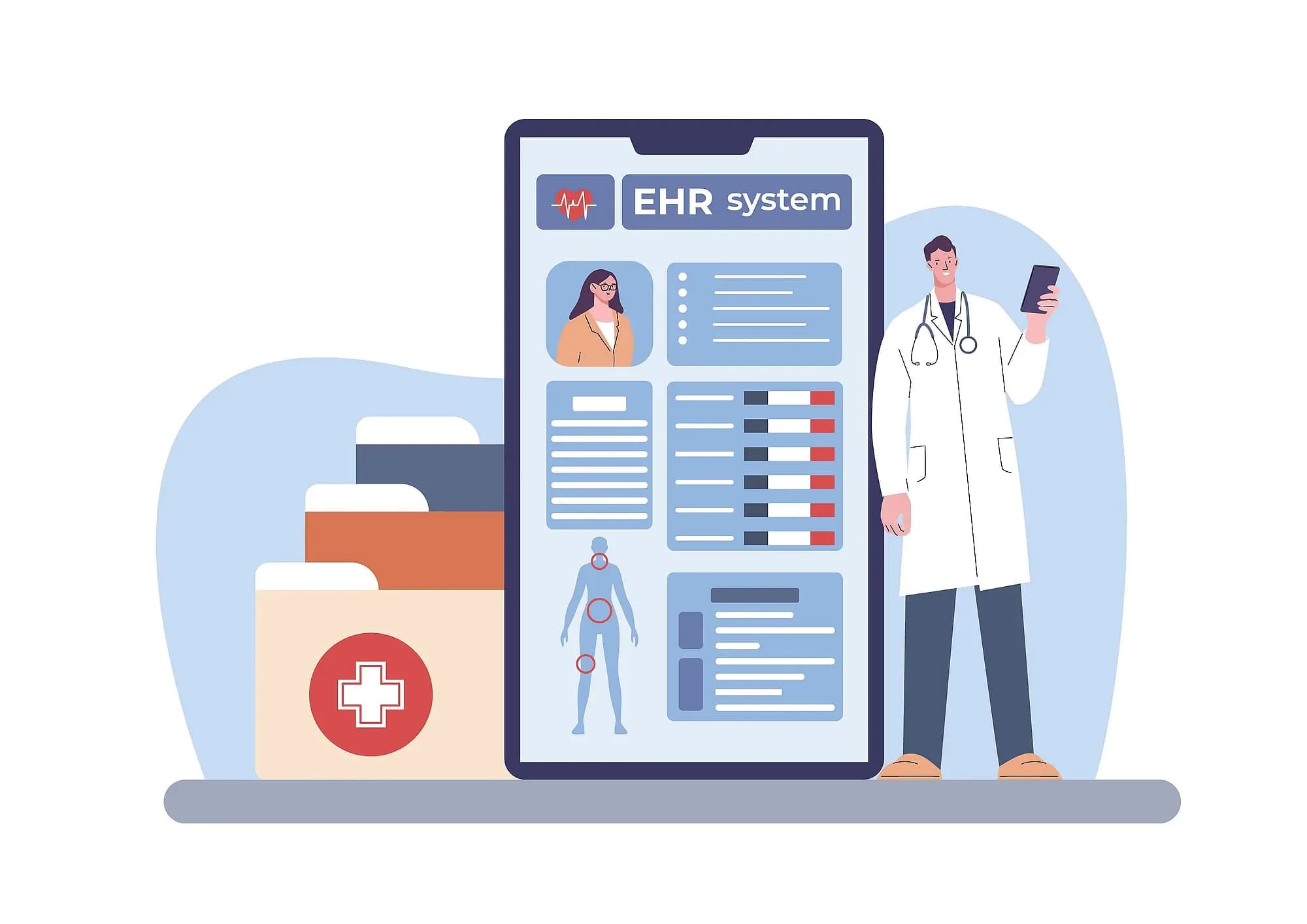
Illustration of an electronic health record open beside a physician and a set of patient files
Healthcare

What a small clinical team gets wrong about EHR workflows the first time

The first rollout rarely fails on features. It fails on the informal habits the paper process was quietly holding together.

Read the post 6 min
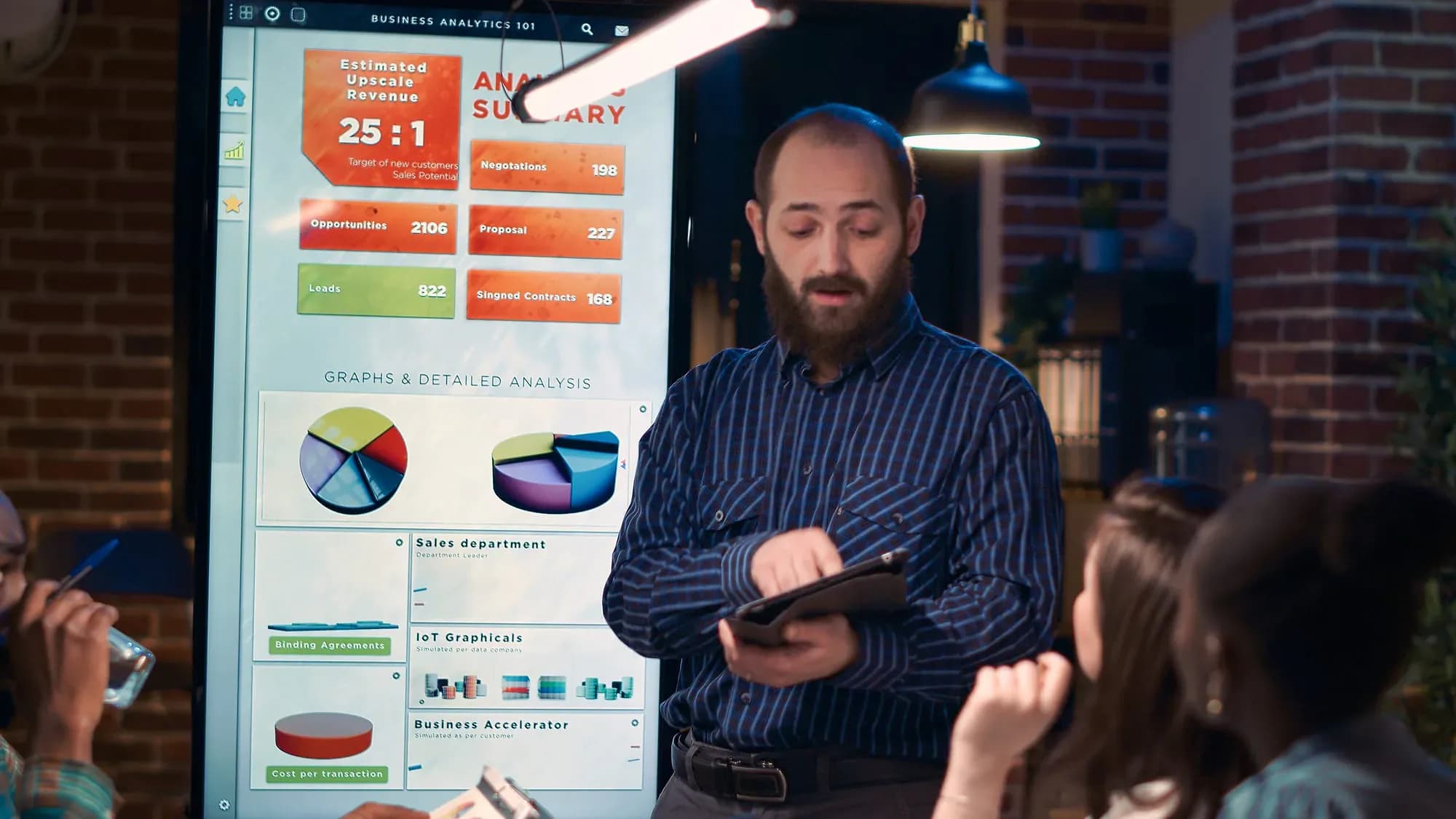
Manager presenting site performance figures to a back-office team
Fleet

The fleet data nobody looks at until they need it

The live map is the feature everyone opens daily and the least valuable data the system produces. The history is the other way round.

Read the post 5 min
Two consultants assessing a legacy system together on a laptop
Security

Reading a vendor security questionnaire when you're the vendor

The spreadsheet arrives with two hundred rows and a yes/no column. The useful answer is often neither, and where you put it decides how the deal ends.

Read the post 5 min
About this blog

Four articles, and why there aren't forty

Notebook mapping out an editorial and content plan

This is not a content marketing programme. There is no publishing cadence, no keyword calendar, and nobody here is measured on posts per month — which is why there are four articles rather than four hundred, and why they are long.

What gets written up is whatever we have had to explain more than a few times: where restaurant order errors actually come from, what a ten-minute POS onboarding consists of step by step, which five questions separate retail systems once every vendor's feature grid is ticked, and where AI genuinely pays for itself in a small business rather than merely looking modern.

The bias throughout is operational. We build and run point-of-sale software, so the examples come from counters, kitchens, and stockrooms rather than from case studies about companies you have never heard of. Where we have a measured result we say so and link the deployment; where we do not, we describe what the software does and leave it there.

You will also find things here that are mildly against our commercial interest — that a homepage chatbot is usually a poor investment, that proprietary POS hardware requirements are a pricing strategy, that you should ask us for a number in minutes and judge how comfortable we are with the question. Writing that only ever concludes in the author's favour is advertising, and it reads like it.

Reading about it is step one

Step two is a demo — see the product run on your own data before you decide.

Or call us: 1-225-573-9244