
The forecourt, finally connected to the books
Fuel Automation ties pumps, tanks, and shifts to the back office — while Pacific POS runs the convenience store at the counter.

Two businesses on one site, finally on one system
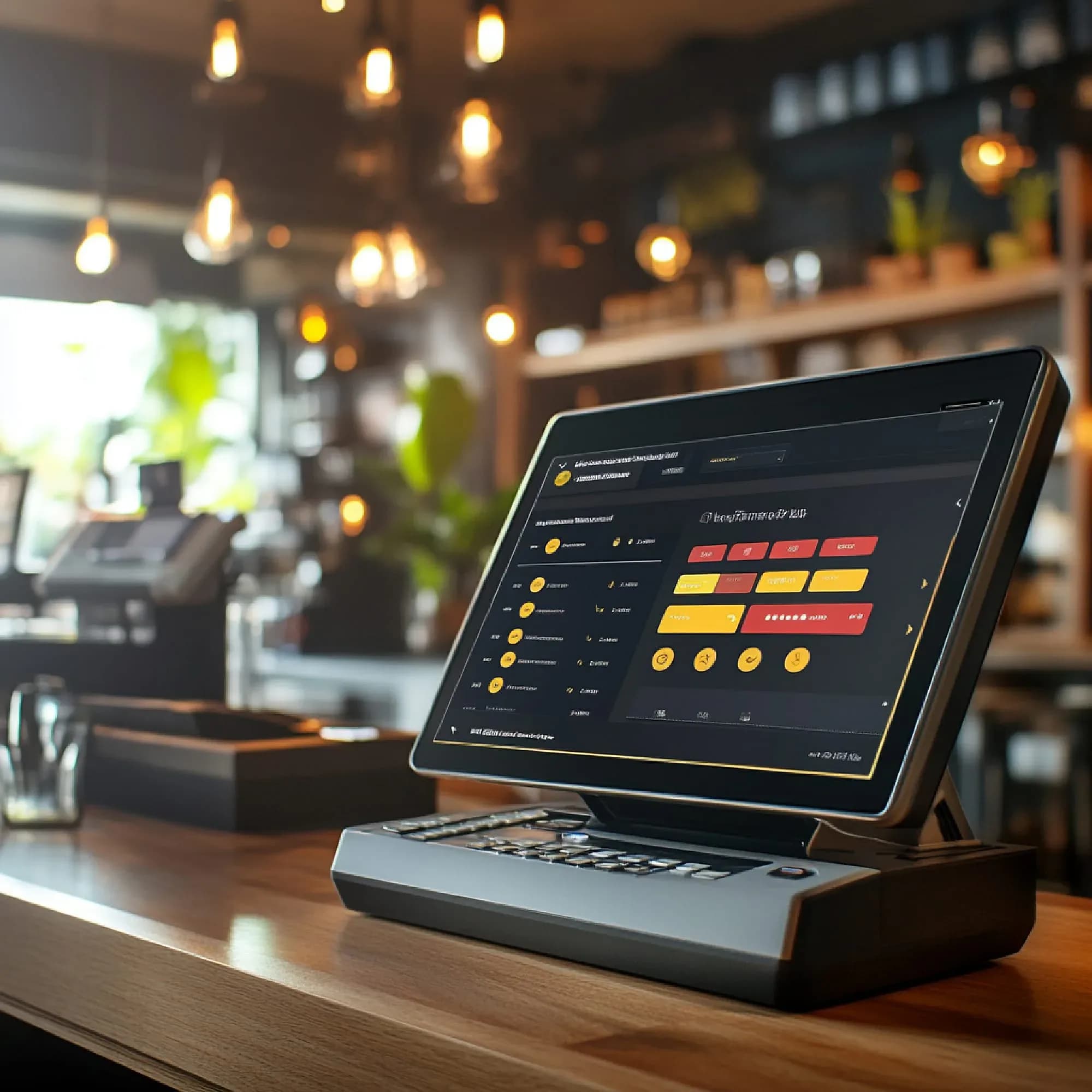
A fuel site is a commodity business and a retail business sharing a parking lot. The forecourt sells a high-volume product on a margin measured in cents per gallon, where a small percentage loss is a serious number. The store inside sells a few thousand SKUs on a much better margin, where the problems are stock, shrink, and queue length. They have almost nothing in common operationally, and most sites run them on software that has nothing in common either.
The consequence is that the two halves only meet in a spreadsheet, usually at month-end. By then a tank variance is weeks of history nobody can explain — was it a delivery short-filled, a meter drifting, water ingress, or theft? Each of those has a different fix and a different urgency, and none of them can be diagnosed from a monthly total.
Fuel Automation ties the physical forecourt to the books. Automatic tank gauges report live levels and water detection, pump totalizers reconcile against recorded sales so every gallon dispensed is a gallon accounted for, and deliveries are reconciled on receipt rather than trusted. Shift close balances cash, card, and fuel volume automatically, which means a variance is flagged at the end of the shift that produced it, while the people who worked it are still on site.
On the store side, Pacific POS runs the counter with the same live inventory, margin reporting, and fast checkout it gives any retailer. Pricing control pushes new pole prices to every pump and every sign across your sites in seconds, which is the difference between reacting to a competitor's board within minutes and within a day.

What gets in the way in fuel & convenience
Variances surface too late
A fuel loss discovered at month-end is a mystery; the same loss flagged at shift close is a question you can still ask the person who was there. Automatic reconciliation of pump totalizers, tank gauges, and recorded sales puts the variance in front of a manager while it is still diagnosable.
Price changes crawl across sites
Fuel is priced against the board across the street, and a manual update per pump and per sign means you are always trading yesterday's price. Central pricing control pushes a change to every pump and every display across every site in seconds.
Two businesses, two systems
Fuel volumes in one system, store sales in another, and a spreadsheet to make them agree — which is where errors hide and where a manager's evening goes. One platform reconciles both sides of the forecourt, so site profitability is a report rather than a reconstruction.
How a site actually runs on it
Fuel Automation sits between the physical forecourt and the ledger. Automatic tank gauges report levels and water detection continuously, pump totalizers are read against recorded sales, and a delivery is reconciled against gauge readings taken before and after the drop. Nothing waits for month-end: at shift close, cash, card, and fuel volume balance against those readings, and anything that does not balance is named as a variance belonging to that shift.
Inside, Pacific POS runs the counter — barcode-fast checkout, live inventory, and margin reporting on a few thousand SKUs — while central pricing control pushes a new pole price to every pump, sign, and in-store display across the estate at once. Both halves report into one site view, so fuel margin and store margin sit in the same P&L. What varies site to site is the forecourt hardware, which is why gauge and pump models are established before anything is scoped.
What we run in fuel & convenience
Described in operational terms rather than feature names — what it does on a working day.
Automatic tank gauge integration
Live levels, water detection, and delivery reconciliation for every tank, so a short delivery or an ingress problem is visible when it happens rather than inferred from a shortfall weeks later.
Pump totalizer reconciliation
Recorded sales are tied to the pumps' own totalizers, which is what turns "we think we sold this much" into a figure that either balances or names the discrepancy.
Automatic shift reconciliation
Cash, card, and fuel volume balance at every shift close. The variance report arrives with the shift, attached to the people and hours that produced it.
Central pricing control
Push a price change to every pump, pole sign, and in-store display across all sites at once. Fuel retail is a business where response time to a competitor's board is a real margin lever.
Convenience store POS
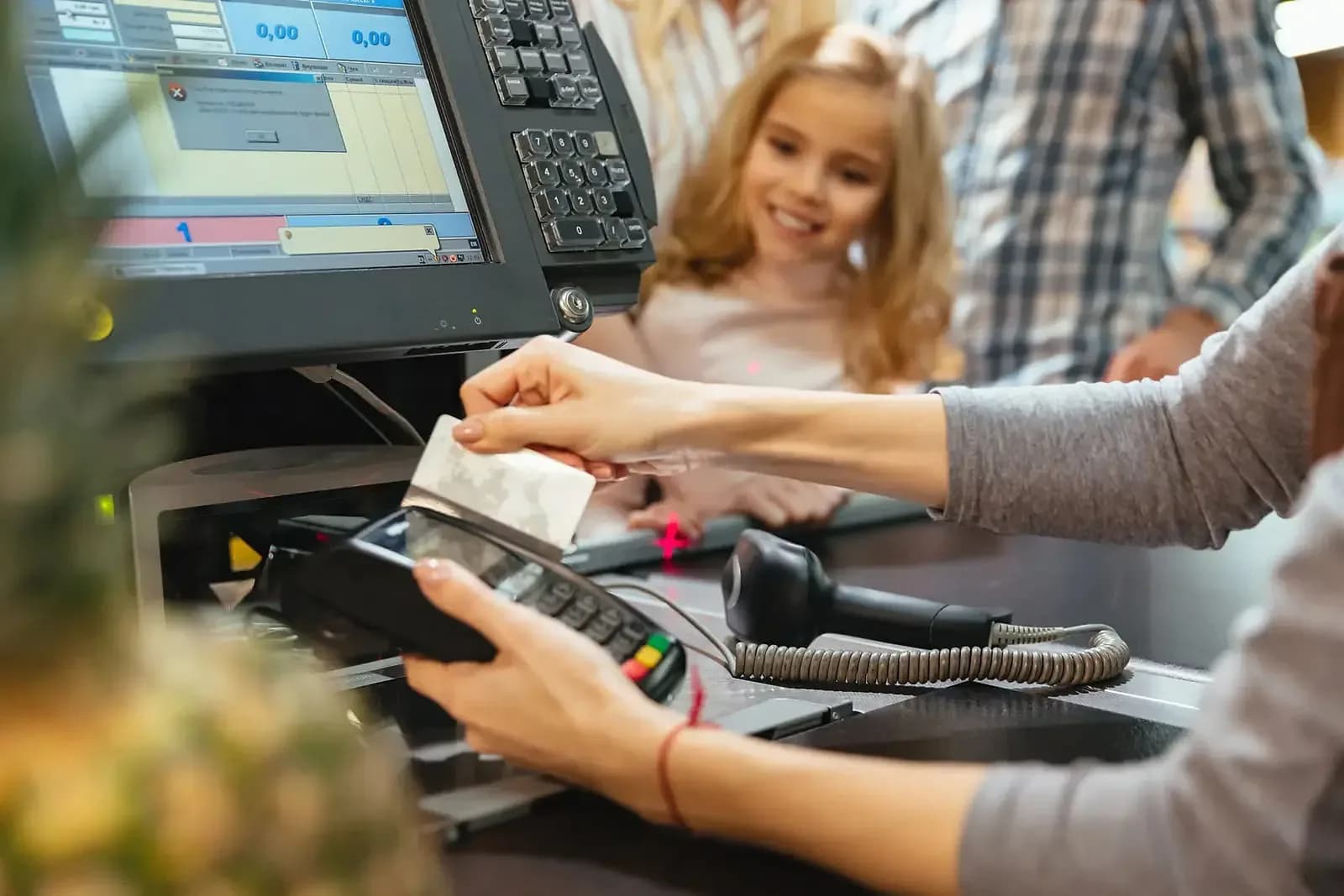
Pacific POS runs the counter with barcode-fast checkout, live inventory, and margin reporting — the same system a standalone retailer would run, sharing a site view with the forecourt.
Site security and monitoring
Camera coverage and alerting across forecourt and store, which matters on sites that are unattended overnight and where the losses that never pass a scanner are a real line item.
Every pump, tank, and shift in one system
Merilsoft Fuel Automation connects pumps, tanks, and the back office — live inventory, shift reconciliation, and pricing control for fuel retailers.
Forecourt, tanks & back office on one system
A shift on the forecourt
Reconciliation as a continuous byproduct rather than an end-of-month archaeology project.
- Delivery
The load is verified on arrival
Tank gauge readings before and after reconcile against the delivery note, so a short fill is caught at the tanker rather than absorbed into the month.
- Trading
Every gallon is attributed
Pump totalizers and recorded sales stay tied together throughout the shift, while the store side runs its own live inventory at the counter.
- Repricing
The board changes in seconds
A price move goes out to every pump and sign across the estate at once, from wherever the person making the decision happens to be.
- Shift close
The variance is named
Cash, card, and fuel volume balance automatically. Anything that does not balance is flagged now, with the shift attached to it.
- Site view
Both businesses in one P&L
Fuel margin and store margin appear in the same site report, which is the only view that answers whether the site is actually performing.

What to check before automating a forecourt
Fuel retail integrations are more physical than most software buying. These are the ones that decide the project.
What gauges and pumps do you actually have?
Forecourt hardware varies enormously by age and manufacturer, and integration is the part of the project that carries the real risk. Get the makes and models on the table in the first conversation, not the fourth.
Does reconciliation happen per shift or per month?
This single distinction determines whether variance data is diagnostic or merely historical. A monthly figure tells you that you lost fuel; a per-shift figure tells you when.
How fast can you reprice across every site?
Measure it in the current system before you evaluate a new one. If repricing takes an hour of phone calls, you already know what it costs you on days when the market moves.
Do fuel and store data ever meet?
If site profitability requires exporting two systems into a spreadsheet, the answer is no — and the number you have been managing against has been a reconstruction.
What happens when the link to a pump drops?
Forecourt integrations fail in ordinary ways — a controller reboots, a gauge stops answering, a switch dies overnight. Ask any vendor what the site does for those hours: whether staff can still sell and reconcile afterwards, or whether the shift is simply unaccounted for. The answer tells you more about the software than the feature list does.

What we deploy for fuel & convenience
No published deployment yet
No forecourt deployment has been published as a case study yet, so everything on this page describes what the system does rather than a site we can name.
Fuel & Convenience, answered
The questions operators actually ask before booking a demo.

Not seeing your question?
Tell us how you run today and we'll answer specifically.
Let's talk about your fuel & convenience operation
Tell us how you run today — we'll show you exactly what changes.
Or call us: 1-225-573-9244