
Software shaped to your industry
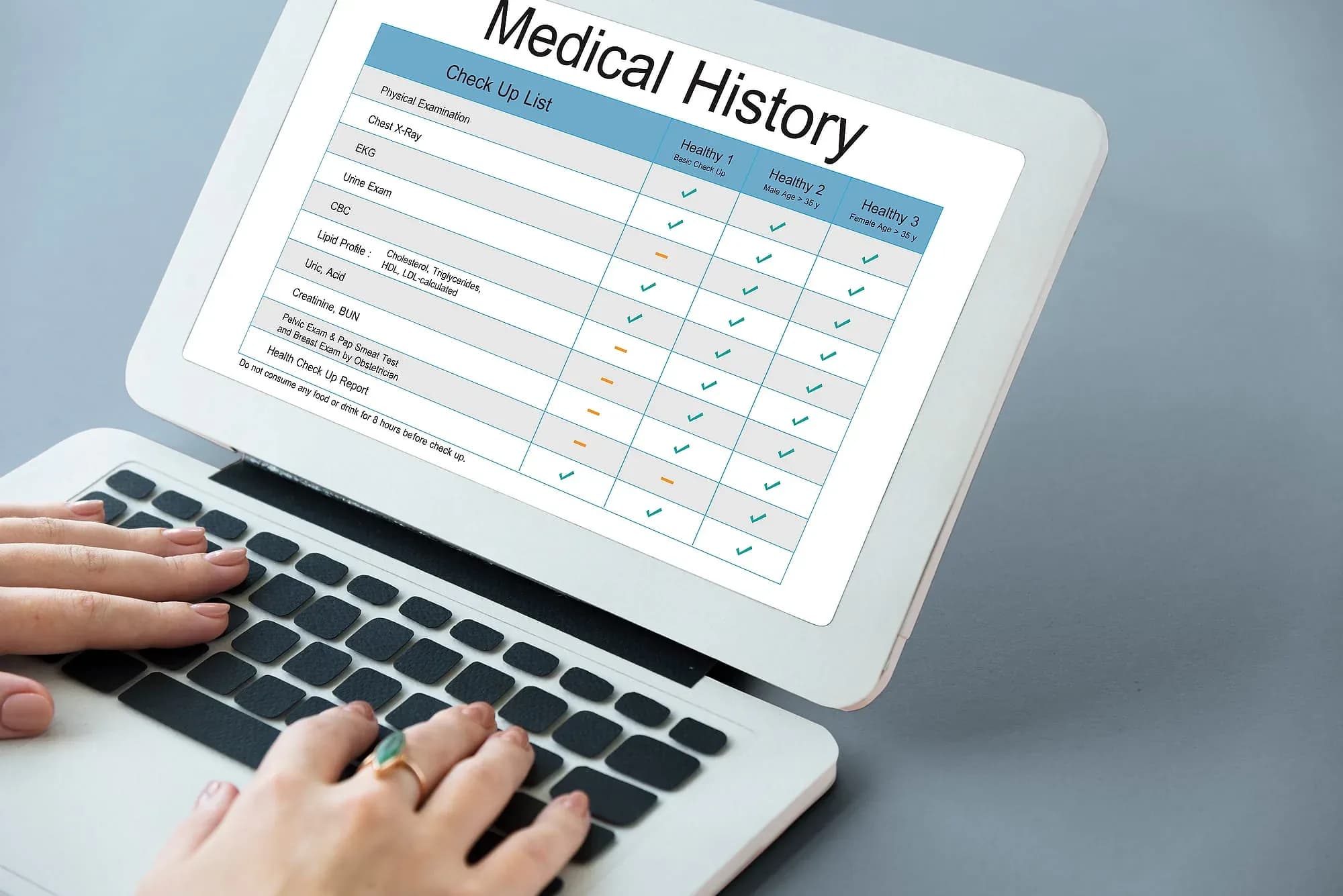
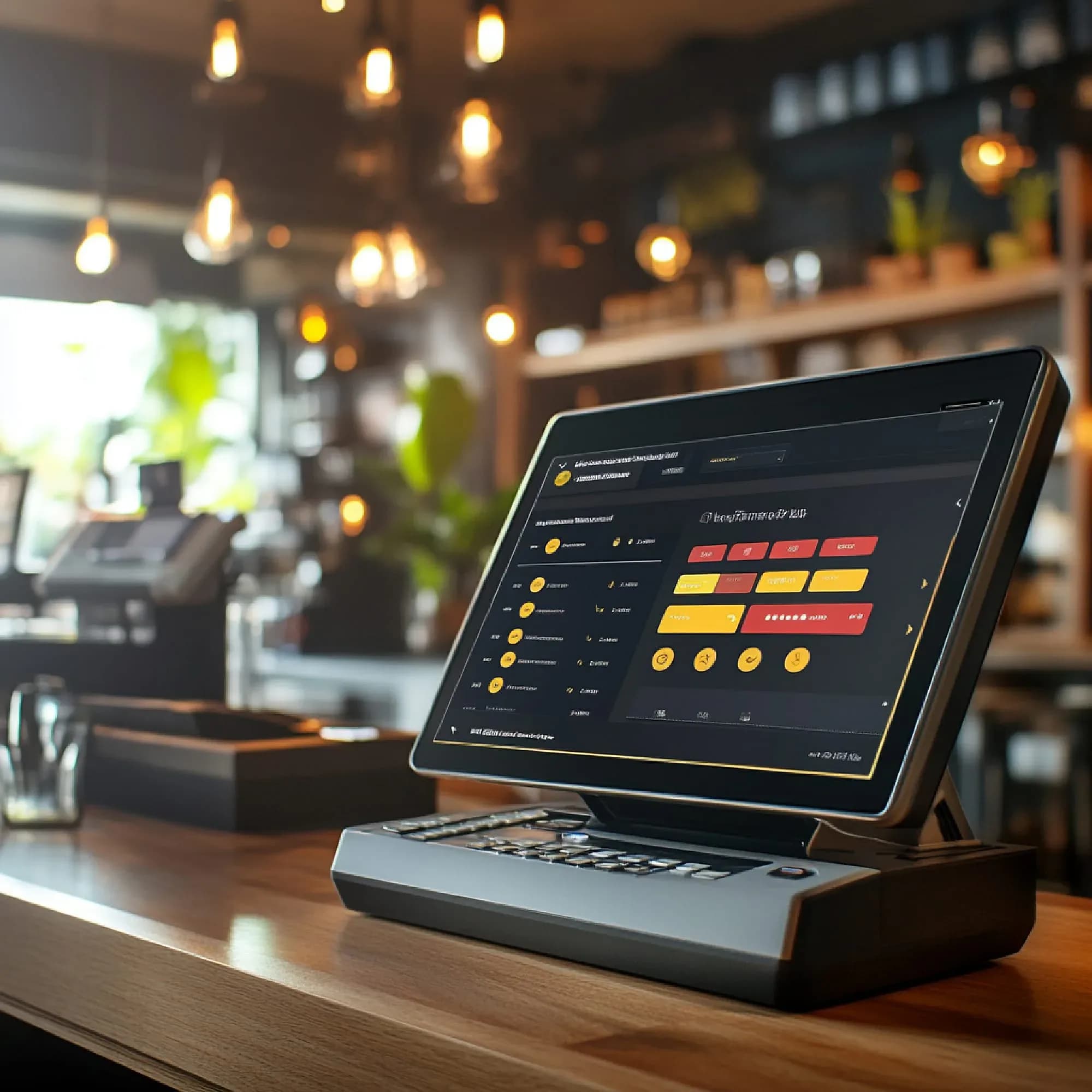
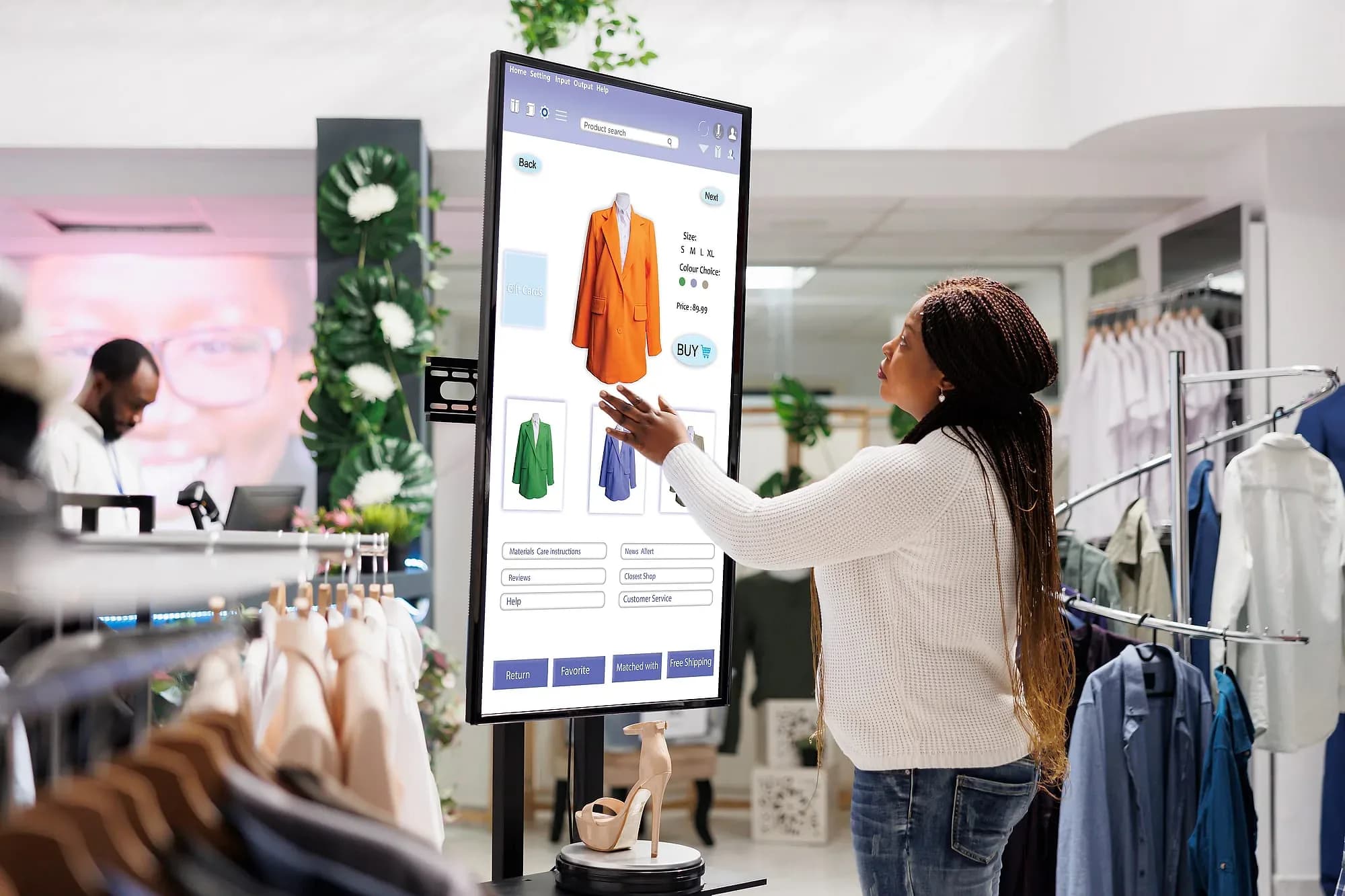
Every vertical gets the product built for it — Pacific POS for restaurants and retail, EHR for healthcare, e-Learning for education, Fuel Automation for the forecourt.





What “industry software” should actually mean

Software sold as "industry-agnostic" is usually software that fits nobody in particular. Every operation has vocabulary, sequences, and constraints that a general tool makes you work around: a restaurant's modifier tree, a clinic's charting requirements, a forecourt's reconciliation against physical tank levels. Configuration can approximate those. It rarely matches them, and the gap becomes daily friction that staff absorb and nobody ever quantifies.
But the opposite failure is just as common. A vendor with fourteen "industry editions" is frequently shipping one product with a different logo on the login screen, and the vertical depth exists in the sales deck rather than the software. Both failure modes look identical from a website, which is why this page tries to be specific about which parts of our stack are genuinely shaped by an industry and which parts are shared infrastructure.
Here is the honest split. Payments, reporting, user management, and hosting are shared — those problems do not change between a restaurant and a print shop, and pretending otherwise would mean maintaining six versions of a solved problem. What is genuinely vertical is the domain model: what an order is, what a record contains, what has to reconcile against what, and which rules cannot be broken.
That is also why our depth is uneven, and we would rather say so. Restaurants and retail are where Pacific POS is deployed and where our published case studies are. Healthcare, education, fuel, and custom engineering are real practices with real products behind them, but the evidence base is thinner and the pages say which is which rather than presenting six equally confident stories.
Four rules we apply across every vertical
The domain model is vertical
What an order, a record, or a shift actually is differs completely between industries, and that model determines what the software can validate, route, and reconcile. This is the part we build per industry, because it is the part that cannot be configured into existence.
The infrastructure is shared
Payments, authentication, reporting, hosting, and access control are the same problems everywhere. Solving them once and well beats solving them six times adequately — and it means a fix or a security improvement reaches every product at once.
Integration beats replacement
Most businesses already run something that works. We would rather connect to your accounting package or your existing hardware than open with a proposal to replace your whole stack, which is both cheaper for you and considerably less likely to fail.
Depth is stated, not implied
Where we have deployed and written it up, we link the case study. Where we have not, the page says what the software does without inventing a customer to have done it. Six verticals presented with identical confidence would be a claim we cannot support.
What leads in each industry
The primary system, and the one most often deployed alongside it.

Industries, answered
What buyers ask when a vendor claims to serve six verticals.

Not seeing your question?
Tell us how you run today and we'll answer specifically.
Don't see your industry?
We build custom software for operations of every shape — tell us about yours.
Or call us: 1-225-573-9244